J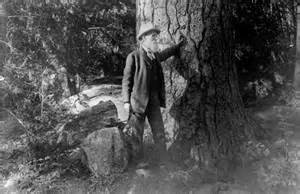 ohn Muir’s life is an inspiration to all who love Nature and wilderness. His life is a model for how to learn about and love the natural world. Read this reprint from The Writer’s Almanac (http://writersalmanac.org/):
It’s the birthday of naturalist John Muir (books by this author), born in Dunbar, Scotland (1838). He grew up on a farm in Wisconsin. His father was a strict Christian, and by age 11, Muir could recite three-quarters of the Old Testament and all of the New Testament by heart. One evening, the boy was up late reading, and his father forbade him from staying up late, but decided that as a compromise, he could get up as early as he wanted in the morning. Muir began getting up at 1 a.m. and going to the cellar to work on inventions by the light of a tallow candle. He invented a self-setting sawmill, thermometers, barometers, complex door-locks, an automatic horse-feeding machine, clocks, a firelighter, and many more tools. For motivation in the dark winter mornings, he invented an elaborate clock that also told the day of the week and the month, and was connected to a bed that set him on his feet at an appointed hour.
He exhibited some of his inventions at the state fair, and made enough money to enroll at the University of Wisconsin-Madison. One day, he was standing underneath a black locust tree when a fellow student asked Muir if he knew what family the locust tree was in. Muir said that he didn’t know anything about plants, so the student asked him, well, what does the flower look like? Muir said it looked like a pea flower. When the student explained that they were in the same family, Muir was amazed, even more so after the other student explained the principles of taxonomy. He wrote: “This fine lesson charmed me and sent me flying to the woods and meadows in wild enthusiasm. [.] I wandered away at every opportunity, making long excursions round the lakes, gathering specimens and keeping them fresh in a bucket in my room to study at night after my regular class tasks were learned; for my eyes never closed on the plant glory I had seen.” Despite his new fascination with plants, he was a mechanical genius, and he remained equally interested in inventions. He improved his clock-bed, which now set him on his feet and simultaneously lighted a lamp. The bed was supplemented by a clockwork desk that kicked into gear as soon as he woke up; it took each book he needed to study in order, pushed it to the top of the desk, and opened it for the correct number of minutes. He invented a wide variety of complex scientific instruments. Professors were so amazed that they regularly brought visitors to Muir’s dormitory room on the weekends to show off his inventions. Muir chose not to follow a recommended course of study. Instead, he dabbled in whatever interested him, from botany to Latin, and left Madison without a degree. Before his death, he wrote about his college years: “I wandered away on a glorious botanical and geological excursion, which has lasted nearly 50 years and is not yet completed, always happy and free, poor and rich, without thought of a diploma or of making a name.”
Muir found work as a sawyer in a wagon wheel factory. He was quickly promoted, and expected to have a great career. But after a year, he was repairing a belt for a circular saw when a file slipped and struck his eye, and he was temporarily blinded. He spent six weeks in a dark room, not knowing if he would ever see again. When his sight did return, he realized how important the beautiful world was to him. He wrote: “It was from this time that my long continuous wanderings may be said to have fairly commenced. I bade adieu to all my mechanical inventions, determined to devote the rest of my life to the study of the inventions of God.” He set out on a 1,000-mile walk from Indiana to the Gulf of Mexico, then walked from San Francisco to the Sierra Nevada.
Muir went on to become one of the most important naturalists and conservationists in American history. He founded the Sierra Club and helped fight to protect wilderness areas, especially the area around Yosemite Valley in the Sierra Nevada mountains. His books include Picturesque California(1888), My First Summer in the Sierra (1911), and The Story of My Boyhood and Youth (1913).
 MPEC is excited to offer a great summer of camps. We love how MPEC provides so many children with precious summer days filled with Nature fun and life-long memories through our summer camps. We have camps available for children in Kindergarten, starting with our Little Kids Camps, all the way through 12th grade – Mission:Wolf Camp!


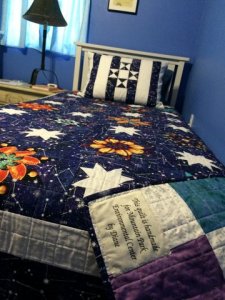
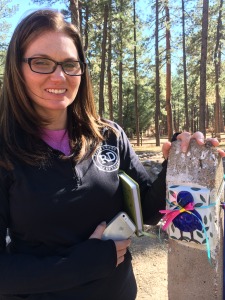
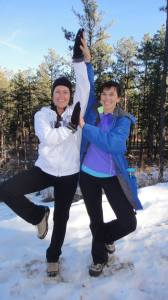
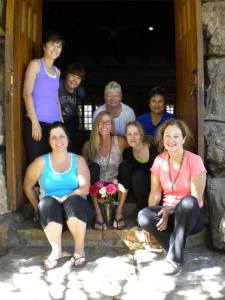
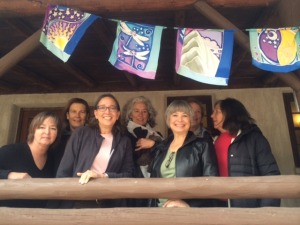
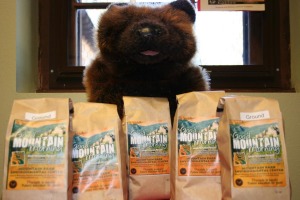
 Here at MPEC we believe in supporting local businesses and are always on the look out for healthy and organic alternatives to what we serve at Arthur’s Kitchen. We purchase coffee served at our meals and offered for our overnight guests from Pueblo’s

 Details and Book a room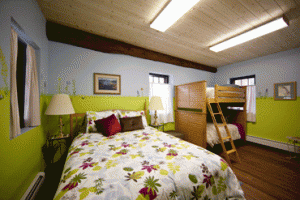
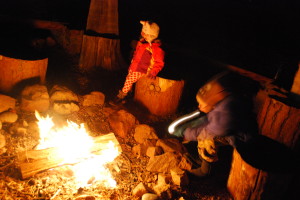


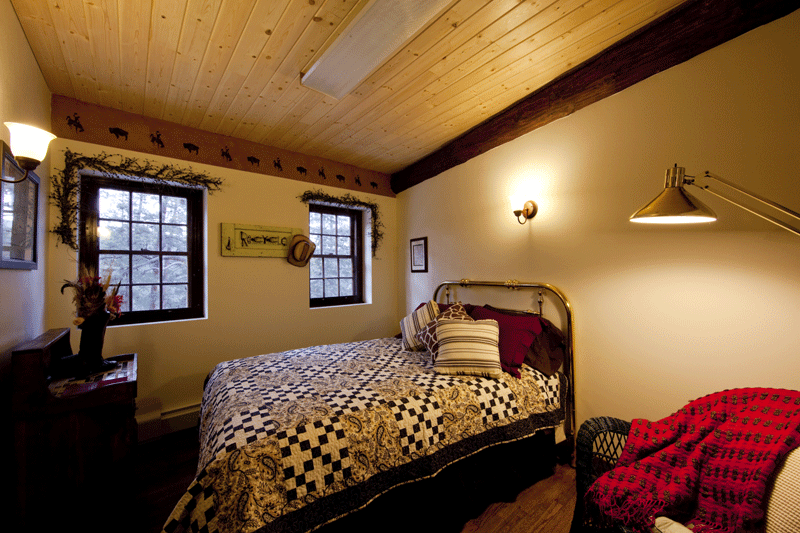
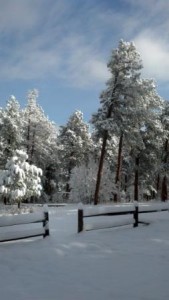
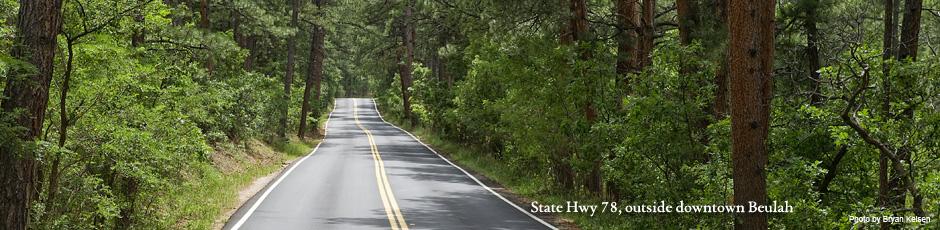 Our Fall into Winter Fundraiser is a fun one – Can you come and spend a night or two (alone or with friends) and experience up close the magic of The Horseshoe Lodge? There is nothing like spending a night in the quiet of our ponderosa pine forest under our down covers on a cool night. You’ll love our art inspired rooms and walking outside the door. And when the day warms there is porch rocking and fun always happening.
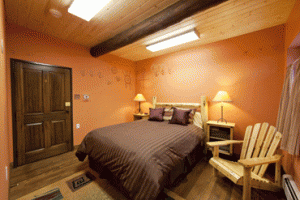 We are asking all our members, donors and most anyone to come spend a night before the end of the year. Choose from any of our open dates and you have 11 bed and breakfast rooms to choose from. Plus if you wish to bring a larger group and stay in our dorms, that can be fun too.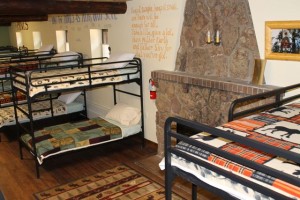


 Update on Ranger Dave’s Colorado Trail Hike: In 2014, Ranger Dave was back out on the new 80-mile stretch of the Colorado Trail, called Collegiate West, continuing his effort to raise funds for MPEC’s Nature Education programs. His updated Concert/Slide Show adds photos and stories from his 2014 adventure to his popular Colorado Trail Concert/Slide Show.